


 enough to care.


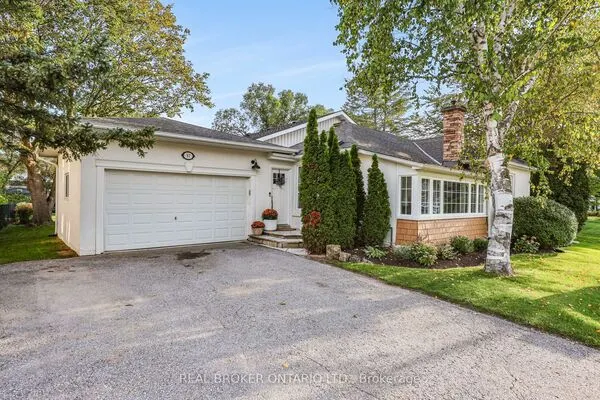
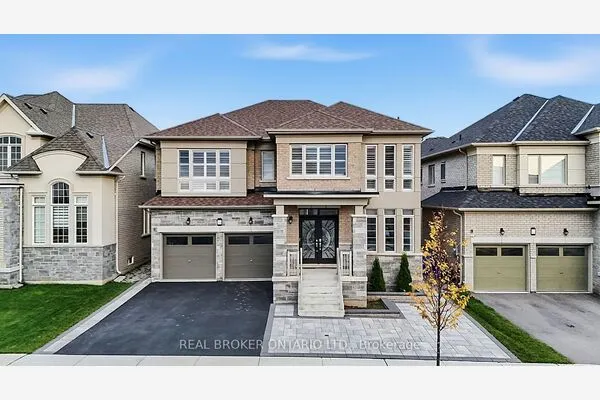
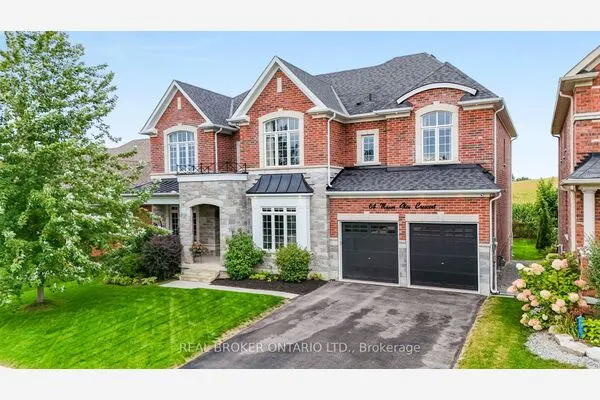
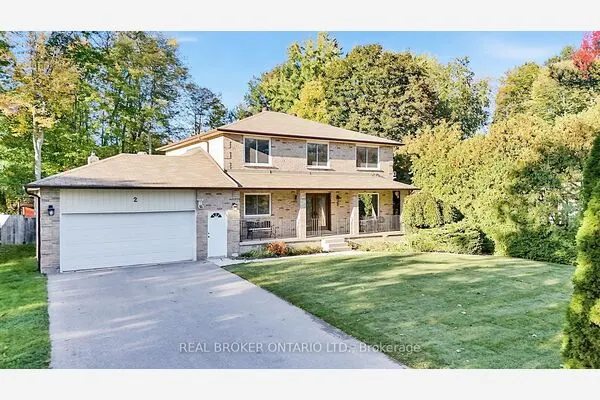
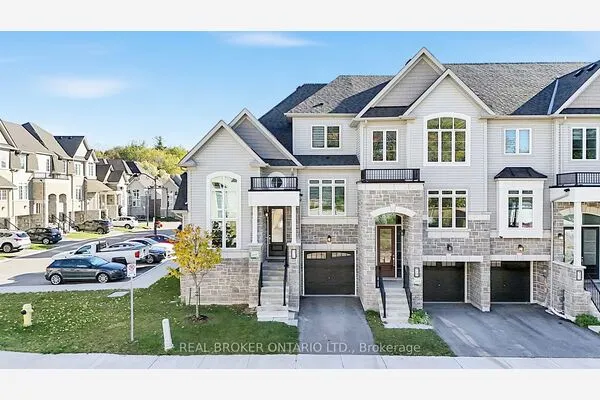
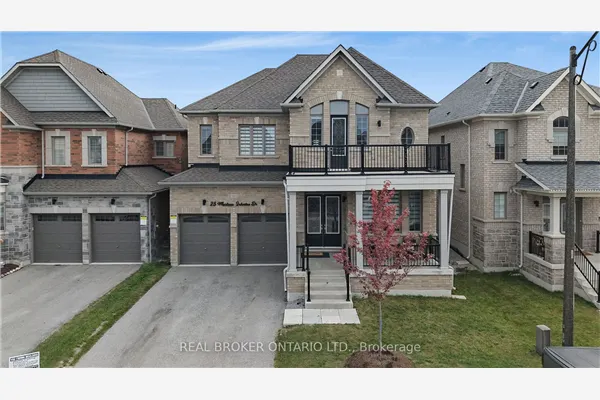

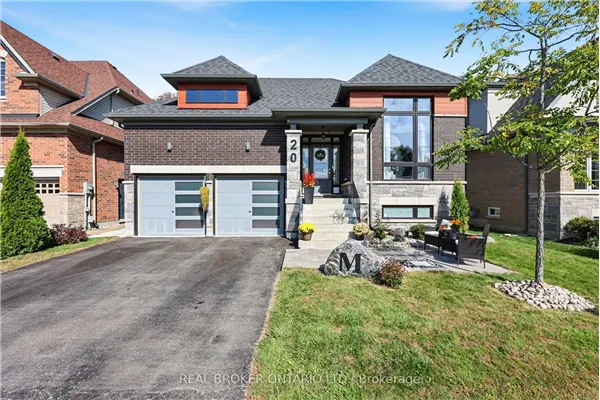
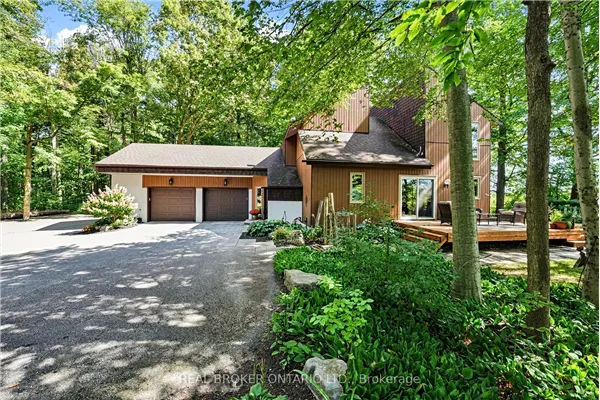
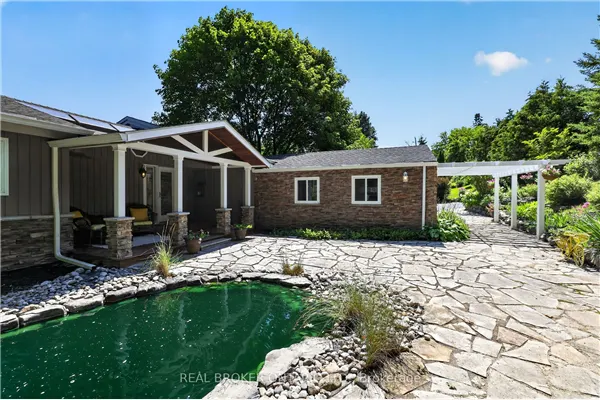
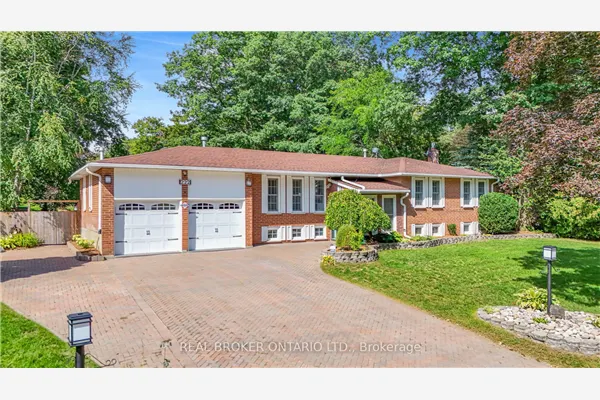

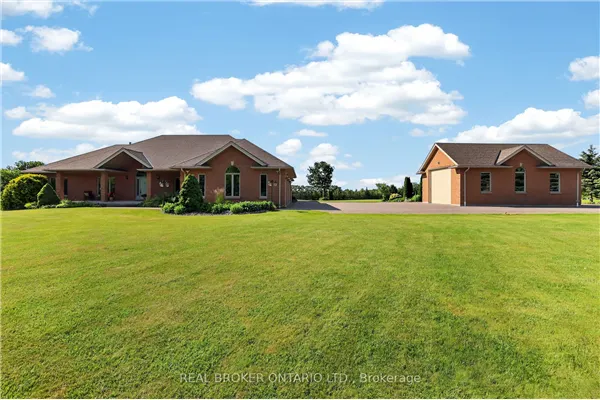


Ask anyone who has lived in East Gwillimbury for more than a decade and they will tell you the same thing: this is not the sleepy farming township it once was. New subdivisions, a GO station, and quick access to Highway 404 have turned what used to be a well-kept secret into a high- demand address, drawing buyers in from other parts of York Region and beyond. That's good news for anyone selling here, since real estate activity tends to stay healthier in community people are actively moving toward rather than away from. But growth like this is also a good problem to have in another sense: the roads, pipes, wires, and rail schedules built for a much smaller population have some catching up to do. The encouraging part is that the catching up is genuinely underway.
Take water and sewer service. Because East Gwillimbury grew up as a rural community, its infrastructure grew in patches rather than all at once, and that patchwork is still visible today. In Sharon, for instance, brand new homes are being built with full municipal water and sewer service, while many long-time homes in the same village have Town water but are still on a private septic system. Head out into the Town's rural pockets and it's private well and private septic from end to end. Wells and septic systems, looked after properly, serve households well for decades, and plenty of East Gwillimbury's most desirable properties run on exactly that setup. If you're buying, it's worth making sure you know exactly what a property has: municipal or private water, municipal or private sewer, when the septic system was last pumped or inspected, and whether it falls within one of the areas where the province requires an inspection every five years. If you're selling, having those details ready and easy to share tends to make for a smoother transaction and a more confident buyer.
High-speed internet has followed a similar arc, moving from a long-running talking point into something residents can finally start to see and use. It has come up in nearly every municipal election for the better part of a decade, and for good reason: reliable internet is now as basic a need as water or hydro for anyone working from home, helping kids with schoolwork, or running a small business. The good news is real progress has arrived. York Region's own YorkNet network has been extending high-speed fibre through East Gwillimbury, and a new partnership with independent provider Galaxy Fibre has already started connecting some of the Town's previously underserved homes, with construction continuing over the next year or two. It matters at the negotiating table too. Sellers, especially of rural or semi-rural properties, shouldn't be surprised if buyers delay making an offer until they've researched what internet is actually available at the address, and in some cases, particularly where there's more urgency involved, an offer might even come with a condition specifically about confirming that service.
Public transit rounds out the picture, and it is the piece most closely tied to how East Gwillimbury fits into the wider GTA commuter map. The East Gwillimbury GO station offers a solid run of southbound trains during the weekday morning rush, though the return service later in the day is lighter, a familiar trade-off for communities at the outer edge of the network. Metrolinx has committed to extending more frequent, two-way, all-day GO service further northalong the Barrie line as part of its broader GO Expansion program, which would be a meaningful upgrade once it arrives. In the meantime, Highway 404 continues to offer dependable access into the city, which is exactly why commute time is one of the first things buyers ask about when they start looking at East Gwillimbury. It also shows up directly in resale value, with homes an easy walk from the GO station or close to a 404 interchange routinely commanding a premium over otherwise similar properties further from either.
Put it all together and the story is a positive one. East Gwillimbury has grown from a farming community into a place people actively choose to move to, and the Town, the Region, and the province are all putting real investment behind the infrastructure needed to support that growth. Water and sewer service is expanding street by street, broadband is finally being built out after years of talk, and transit plans are moving through the pipeline. None of this happens overnight, and a fast-growing community will always have some infrastructure playing catch-up to the rooftops already in place. But knowing exactly what a property has today, and what is genuinely coming, gives buyers and sellers a real advantage at the negotiating table and at appraisal time — the kind of street-by-street knowledge that separates a general sense of "the market is good" from a confident offer or a well-priced listing. East Gwillimbury's long-term outlook remains strong, and the infrastructure story is very much part of why buying here, or simply staying put, continues to be a sound decision.
;


